
Marine cargo
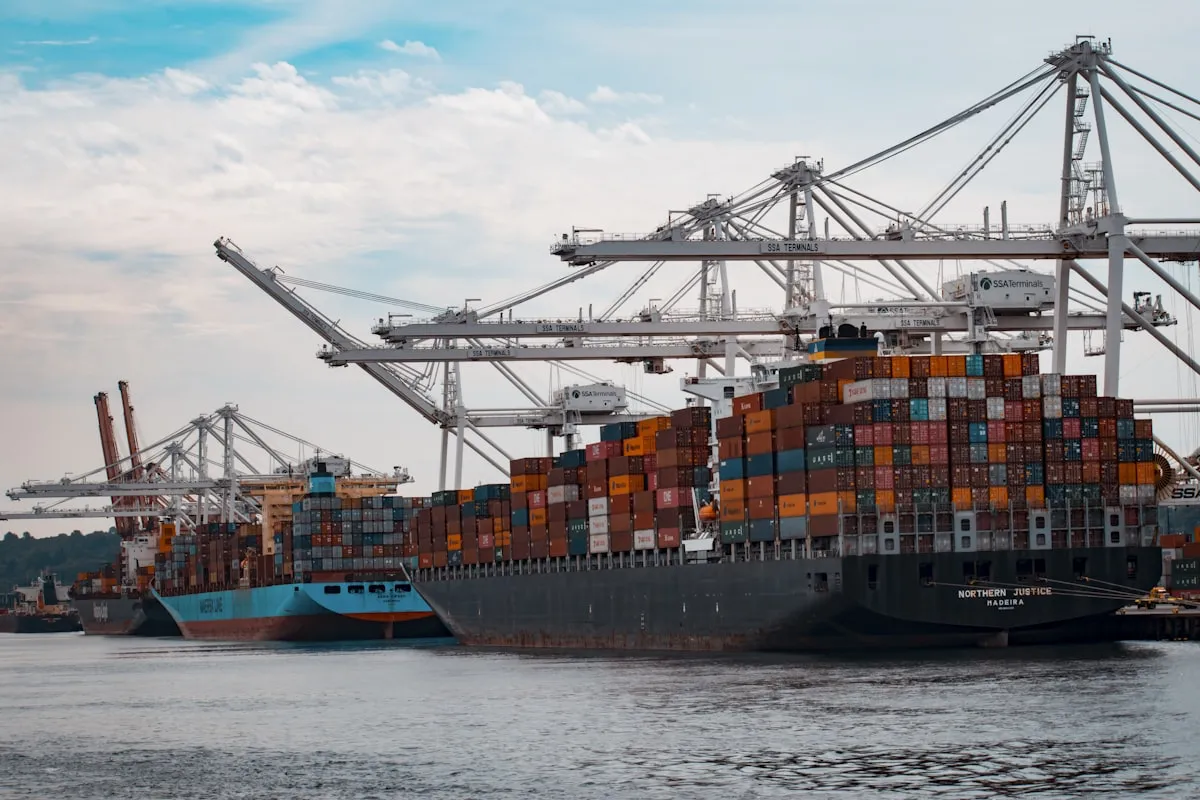
Capacity for insured goods moving by sea, air, and land, subject to route, packing, conveyance, and accumulation review.
Specialist treaty and facultative reinsurance
Global RE Solutions
Marine reinsurance for cargo, transit, project cargo, stock throughput, and related logistics exposures where route, storage, and accumulation controls are understood.
Specialist reinsurance class
What we write
The covers below represent Global RE's core appetite in marine. Risks outside this list can still be reviewed when the scope, data, and wording are clear.
Capacity for insured goods moving by sea, air, and land, subject to route, packing, conveyance, and accumulation review.
Support for high-value, oversized, or delay-sensitive cargo connected to infrastructure, energy, and construction projects.
Selective programmes combining transit and storage exposure where locations, values, and security controls are transparent.
Storage and accumulation risks reviewed alongside transit controls, catastrophe exposure, and stock valuation.
Extensions considered where geographic, sanctions, route, and contractual controls are satisfactory.
Cargo exposure reviewed alongside engineering and property placements where one project can create multiple loss pathways.
Underwriting view
Each submission is reviewed through the lens of exposure quality, documentation, contractual wording, claims experience, and the specific controls relevant to the class.
Mode of transport, route, transhipment, vessel quality, and seasonality can materially alter the risk.
Warehouse and port accumulations are reviewed against fire, theft, catastrophe, and security controls.
Fragility, temperature sensitivity, theft attractiveness, and packing quality shape terms and participation.
War, strikes, sanctions, and restricted territories require clear controls and compliance review.
Why cedants place with us
Port, vessel, route, warehouse, and project-site accumulations are treated as core underwriting inputs.
Packing, survey, bills of lading, storage terms, and valuation basis are reviewed before support is agreed.
Oversized, high-value, and critical-path cargo is assessed with project timeline and delay sensitivity in view.
Large marine losses are handled with attention to survey evidence, transit documentation, and policy intent.
Submission checklist
The following information helps Global RE assess whether a marine opportunity sits within appetite and whether the proposed structure is sufficiently clear.
Cargo type, values, routes, conveyances, packing, and storage locations
Loss history, survey requirements, and claims handling arrangements
Territory, sanctions, war/strikes extensions, and accumulation information
Draft wording, limits, deductibles, open cover terms, and project cargo details
Other classes
Each class is written within a defined appetite so counterparties can see where Global RE is prepared to participate.
Property reinsurance for commercial, industrial, and project-related assets, with attention to physical damage, business interruption, and catastrophe aggregation.
View classCasualty reinsurance for general liability, products liability, employers liability, and excess liability exposures where jurisdiction, wording, and claims environment are understood.
View classEngineering reinsurance for construction, erection, machinery, equipment, and project-related risks where technical controls, testing phases, and contract conditions are visible.
View classBonds and surety reinsurance for bid, performance, advance payment, maintenance, and contract guarantee obligations linked to public, private, and infrastructure works.
View classGlobal RE reviews marine submissions within its defined appetite, with claims obligations, structure, and documentation assessed before capacity is committed.