

Solutions

Reinsurance across defined specialist classes

Global RE writes Property, Casualty, Engineering, Marine, and Bonds/Surety reinsurance, with appetite reviewed against scope, wording, exposure quality, and claims obligations.

Business classes

Where Global RE writes

The classes below define the underwriting scope, with construction, engineering, and energy treated as recurring specialist industries.

Satellite view of a hurricane system spiralling over open ocean near a coastline
01

Property

Property reinsurance for commercial, industrial, and project-related assets, with attention to physical damage, business interruption, and catastrophe aggregation.

Scope
Commercial and industrial property
Focus
Commercial assets, industrial schedules, energy assets, and catastrophe-exposed portfolios
Structures
Facultative, Treaty, Quota share, Excess of loss, Catastrophe
  • Physical damage
  • Business interruption
  • Catastrophe layers
  • Industrial all risks
  • Energy property
  • Project operational handover
Property in detail
Automated container terminal at blue hour with gantry cranes and ordered transport lanes
02

Casualty

Casualty reinsurance for general liability, products liability, employers liability, and excess liability exposures where jurisdiction, wording, and claims environment are understood.

Scope
Liability and casualty
Focus
Commercial liability, project liability, products exposure, and excess casualty layers
Structures
Facultative, Treaty, Quota share, Excess of loss, Clash
  • General liability
  • Products liability
  • Employers liability
  • Project and contractors liability
  • Excess casualty
  • Clash and accumulation protections
Casualty in detail
Offshore energy infrastructure seen from above in calm blue water at sunrise
03

Engineering

Engineering reinsurance for construction, erection, machinery, equipment, and project-related risks where technical controls, testing phases, and contract conditions are visible.

Scope
Construction and engineering
Focus
CAR, EAR, machinery breakdown, project equipment, testing, and delay-sensitive works
Structures
Facultative, Treaty, Quota share, Excess of loss, Project-specific
  • Construction all risks
  • Erection all risks
  • Machinery breakdown
  • Contractors plant and equipment
  • Delay in start-up
  • Infrastructure projects
Engineering in detail
Offshore energy infrastructure seen from above in calm blue water at sunrise
04

Marine

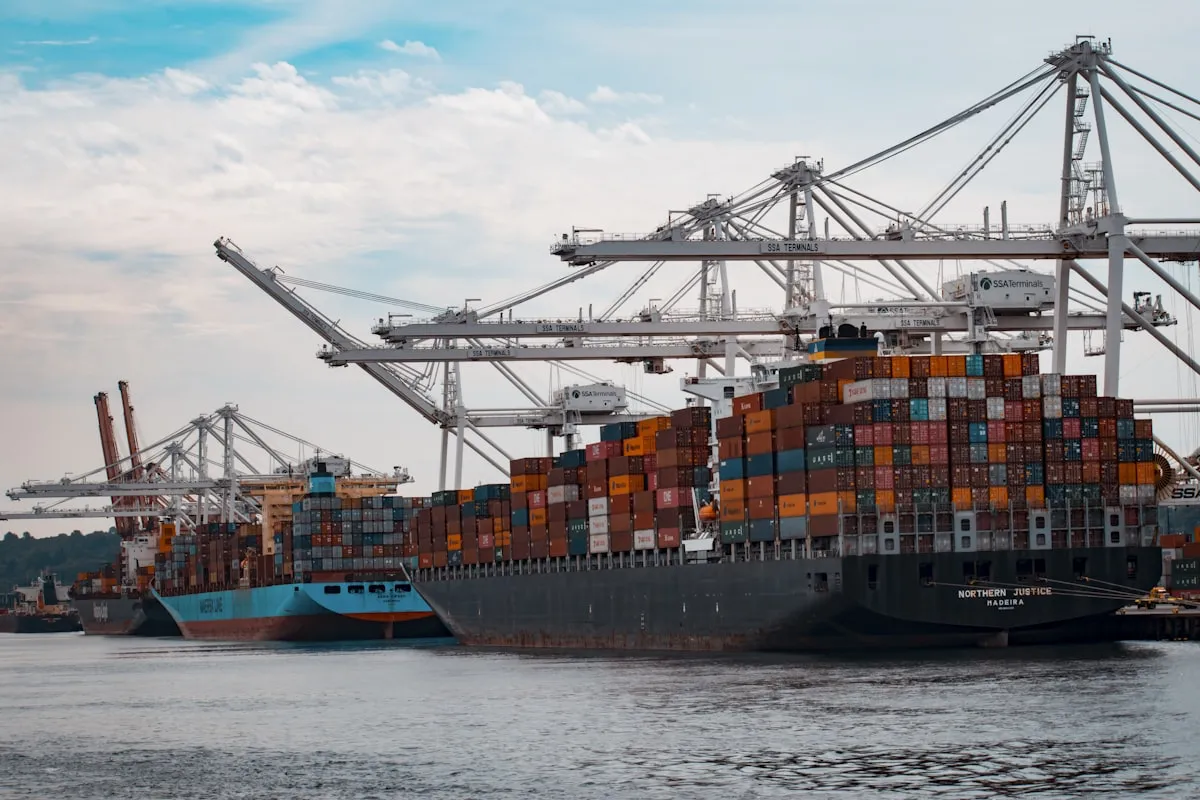
Marine reinsurance for cargo, transit, project cargo, stock throughput, and related logistics exposures where route, storage, and accumulation controls are understood.

Scope
Marine cargo and transit
Focus
Goods in transit, project cargo, logistics, storage, and marine-related project interfaces
Structures
Facultative, Treaty, Open cover, Quota share, Excess of loss
  • Marine cargo
  • Project cargo
  • Stock throughput
  • Warehouse and storage exposure
  • War, strikes, and extensions
  • Marine project interface
Marine in detail
Offshore energy infrastructure seen from above in calm blue water at sunrise
05

Bonds/Surety

Bonds and surety reinsurance for bid, performance, advance payment, maintenance, and contract guarantee obligations linked to public, private, and infrastructure works.

Scope
Contract bonds and surety
Focus
Contractors, infrastructure, public works, commercial obligations, and performance security
Structures
Facultative, Treaty, Quota share, Excess of loss, Bond facility
  • Bid bonds
  • Performance bonds
  • Advance payment bonds
  • Maintenance bonds
  • Contract guarantees
  • Surety treaty support
Bonds/Surety in detail

Industry focus

Specialist industries that cut across lines

Construction, engineering, and energy risks often involve bonds, marine, property, casualty, and technical project exposure at the same time. Global RE treats those connections as part of the underwriting review.

Construction & Engineering

Project-led risk across Bonds/Surety, Property, Marine, Casualty, and Engineering where technical controls and contractual obligations are material.

Energy

Property, Casualty, Marine, Engineering, business interruption, and construction exposures across upstream, midstream, downstream, and related infrastructure.

What comes with the capacity

Operational support around the placement

Capacity is only useful when counterparties know who owns the risk, how claims are handled, and where appetite begins and ends.

Named accountability

Proposals are handled by identified underwriters and operating teams rather than anonymous intake queues.

Defined appetite

Line size and structure are considered against scope, claims environment, accumulation, and documentation quality.

Claims-aware underwriting

Claims obligations are considered before binding, with wording clarity and evidence requirements reviewed early.

Clear written portfolio

Global RE writes Property, Casualty, Engineering, Marine, and Bonds/Surety reinsurance.

How placement works

From submission to claims obligation

  1. Step 1

    Submission

    Send exposure data, historical loss experience, proposed structure, and any relevant wording or collateral information.

  2. Step 2

    Review

    Underwriting, claims, legal, retrocession, and accounting input is brought in where the risk requires it.

  3. Step 3

    Terms

    Terms are framed around risk quality, structure, and scope. Where appetite is limited, that constraint is stated directly.

  4. Step 4

    Claims

    Claims notifications are handled with attention to treaty wording, documentation, and the obligations accepted at placement.

Renewal season starts earlier than you think

Send us a proposal and you will get a named underwriter, a decision timeline, and a direct answer on appetite, including when the answer is no.